
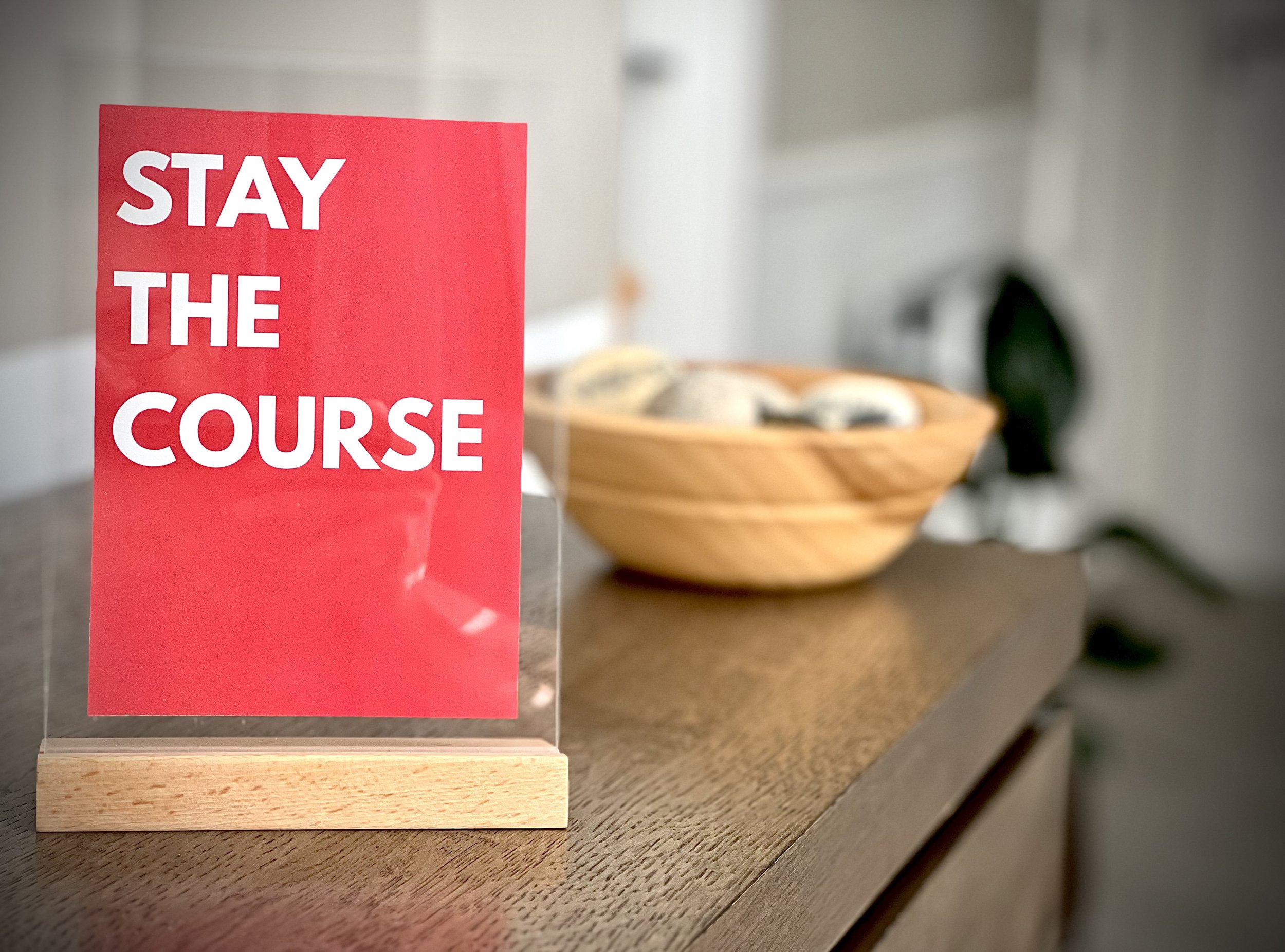
Stay The Course
Stay The Course.
The phrase stuck out to me in a recent video by Peter McKinnon.
It points to intention, discipline and vision.
Stay The Course.
The phrase stuck out to me in a recent video by Peter McKinnon.
It points to intention, discipline and vision.
The same intention, discipline and vision continuous improvement asks of us every day.
Continuous improvement isn't often glamorous. But it's the thing that actually compounds.
That compounding comes from habit stacking. As individuals. As a team. As a company. Day in, day out. Week in, week out.
The habits stack and continuous improvement stops being a project. It becomes our way of working. In the DNA. Shaping the culture.
Stay The Course.
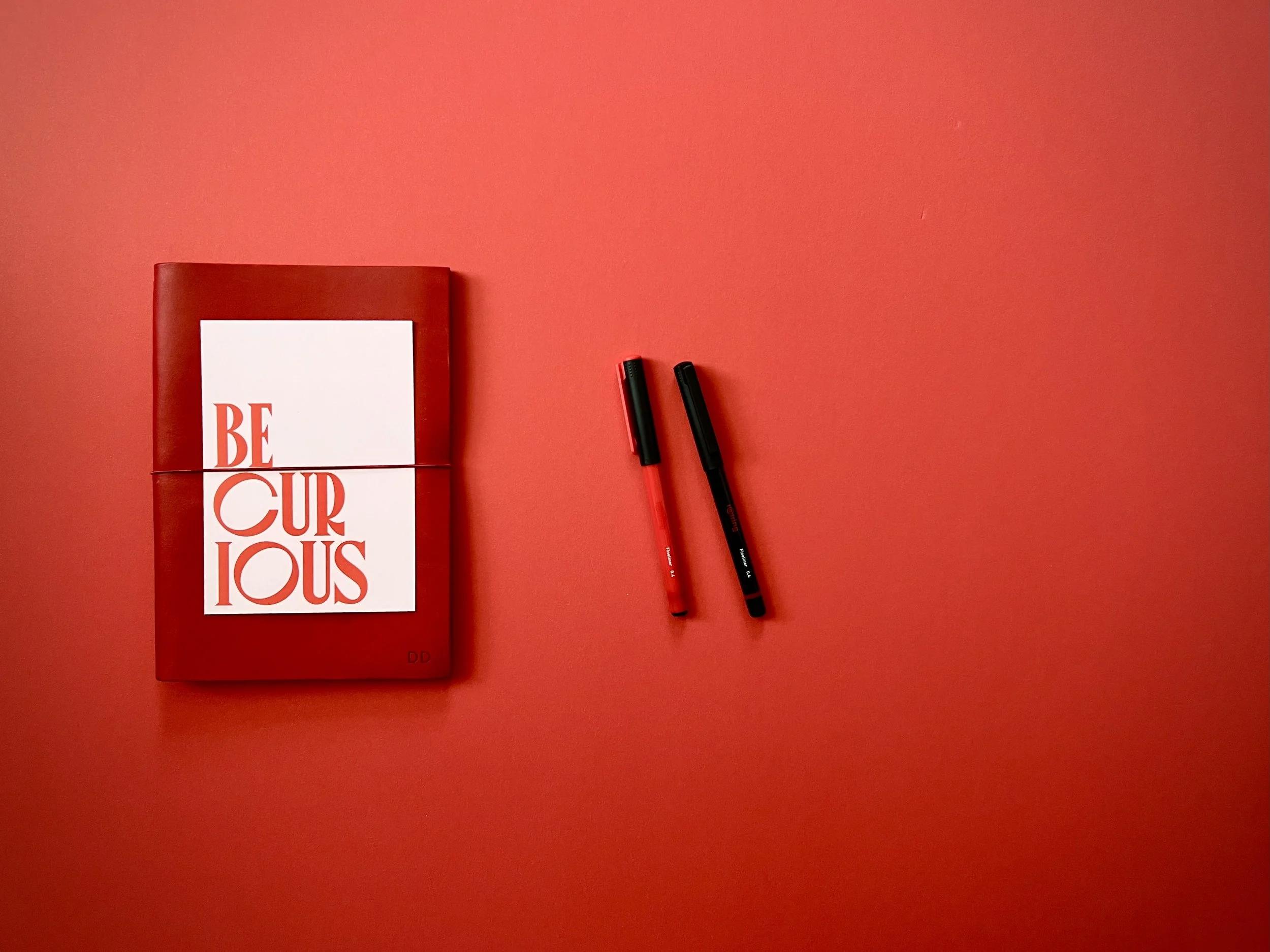
Curiosity: Lean Leadership Superpower
The best Lean leaders don’t have all the answers — they just ask “why?” one more time than everyone else.
The best Lean leaders don’t have all the answers — they just ask “why?” one more time than everyone else.
It’s tempting to think Lean leadership is about mastering tools: value stream maps, kanban boards, A3s. But the real engine behind every successful Lean transformation isn’t a tool at all. It’s curiosity.
Think about the leaders who’ve genuinely changed how their teams work. They rarely walked in with a solution. Instead, they walked the gemba, watched the work and kept asking questions long after everyone else had settled for the first answer. “Why do we do it this way?” “Why does this step exist?” “Why did that variation happen?”
That extra “why” is uncomfortable. It slows down the rush to fix things. But it’s exactly what surfaces the root cause instead of the symptom — and it’s what builds a culture where problem-solving becomes everyone’s job, not just leadership’s.
Curiosity, not authority, is what separates leaders who sustain improvement from those who chase quick wins.
So here’s a question worth sitting with: What question has changed how your team works?
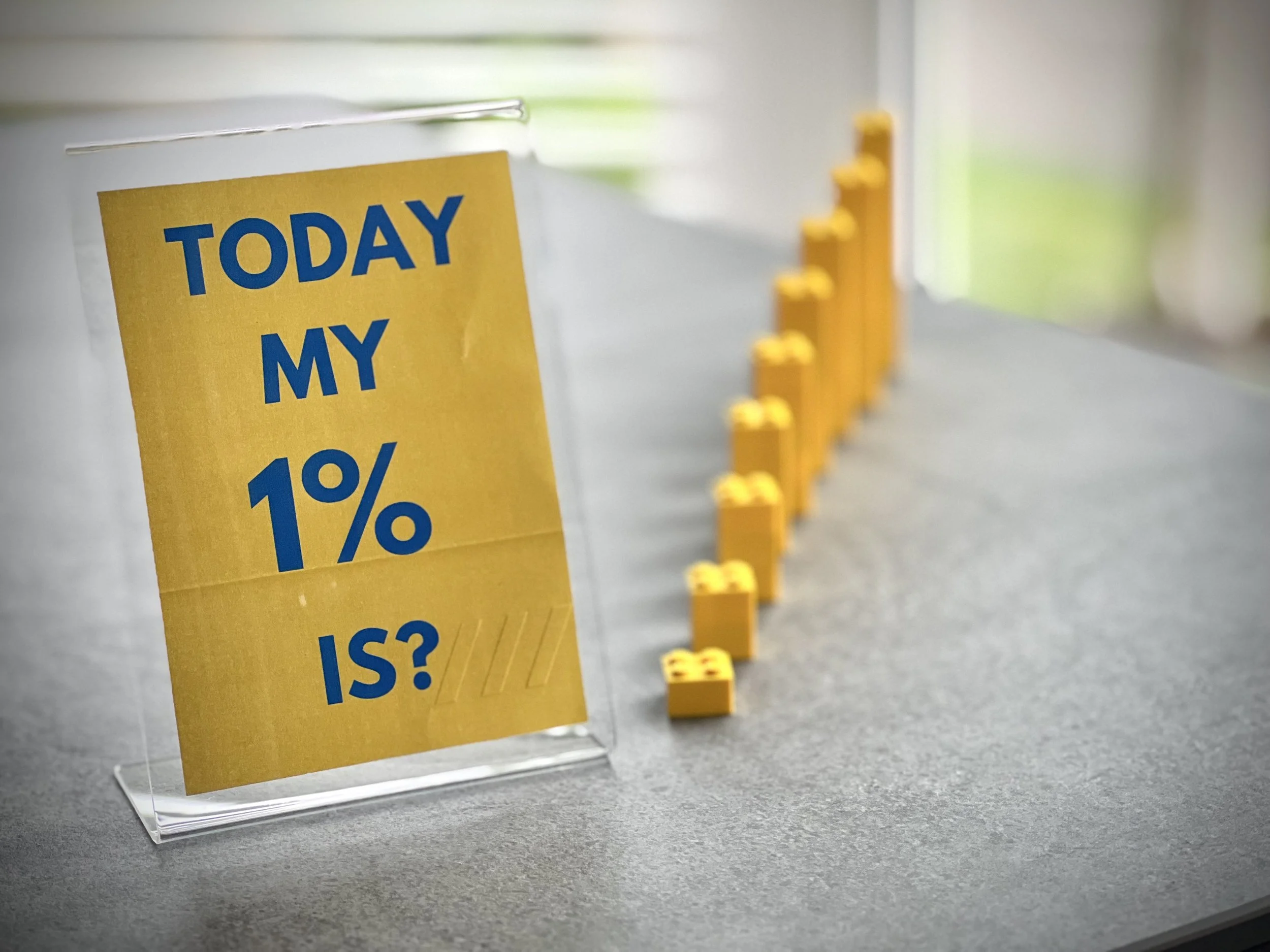
The 1% Club
1% better today. 1% better tomorrow. Repeat.
"Success is the product of daily habits. Getting 1% better every day counts for a lot in the long run." - James Clear
1% Today. Repeat.
"Success is the product of daily habits. Getting 1% better every day counts for a lot in the long run."
- James Clear
It sounds almost too simple to matter. One percent? That's barely a rounding error. But that's exactly the point — small, consistent gains don't feel significant in the moment. They feel significant in the aggregate.
Think about what compounding actually does. It's not a straight line. It's a curve that looks flat for a long stretch and then, almost suddenly, bends upward. The people who stick around long enough to see that bend are the ones who kept showing up on the flat part, when there was nothing to show for it yet.
That's the real challenge of 1% better: it asks for patience before it offers proof.
So what does 1% look like this week? It's rarely dramatic. It might be:
Reading ten pages instead of scrolling ten minutes
Sending the follow-up email you've been putting off
Asking one better question in a meeting
Going to bed fifteen minutes earlier
Writing one paragraph of the thing you keep meaning to start
None of these will change your life today. That's not the assignment. The assignment is tomorrow, and the day after, and the quiet accumulation of days that eventually adds up to something you couldn't have built any other way.
1% better today. 1% better tomorrow. Repeat.
What's the 1% you're stacking this week?
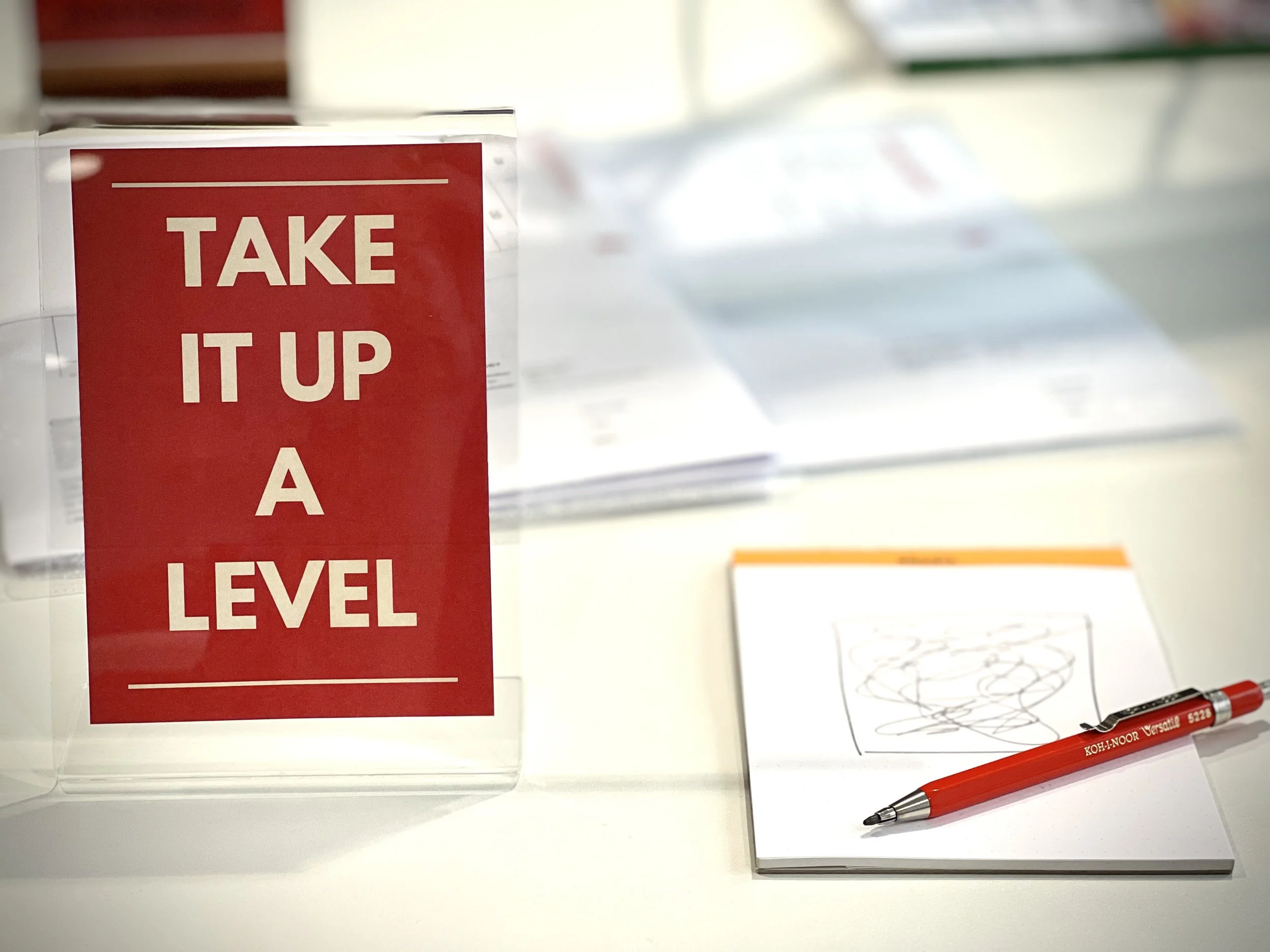
Take It Up A Level
Lost in the weeds? Juggling balls? Spinning plates? Surrounded by noise?
Pick your metaphor — we've all lived it. In our ways of thinking and working. Our being and doing.
Take It Up A Level.
Lost in the weeds? Juggling balls? Spinning plates? Surrounded by noise?
Pick your metaphor — we've all lived it. In our ways of thinking and working. Our being and doing.
But these aren't the problem. They're symptoms.
There will always be hiccups, changes and unknowns at the best of times, let alone in complex systems. But if we focus on these issues, or at this level, we may miss this bigger opportunities for improvement and change.
In a recent conversation someone said, "take it up a level".
It was a helpful prompt. An invitation to shift perspective.
- From symptom to problem
- From micro to macro
- Toward out-of-the-box thinking
- Whole-system considerations
A more expansive view, taking it up a level helps us understand why challenges are present and frame them in the broader system. We can then explore what system change(s) might shift the processes and ways of working to enable better flow, less struggle and reduced waste.
So, just a mid-week question to consider.
Where might you be able to take your thinking up a level?
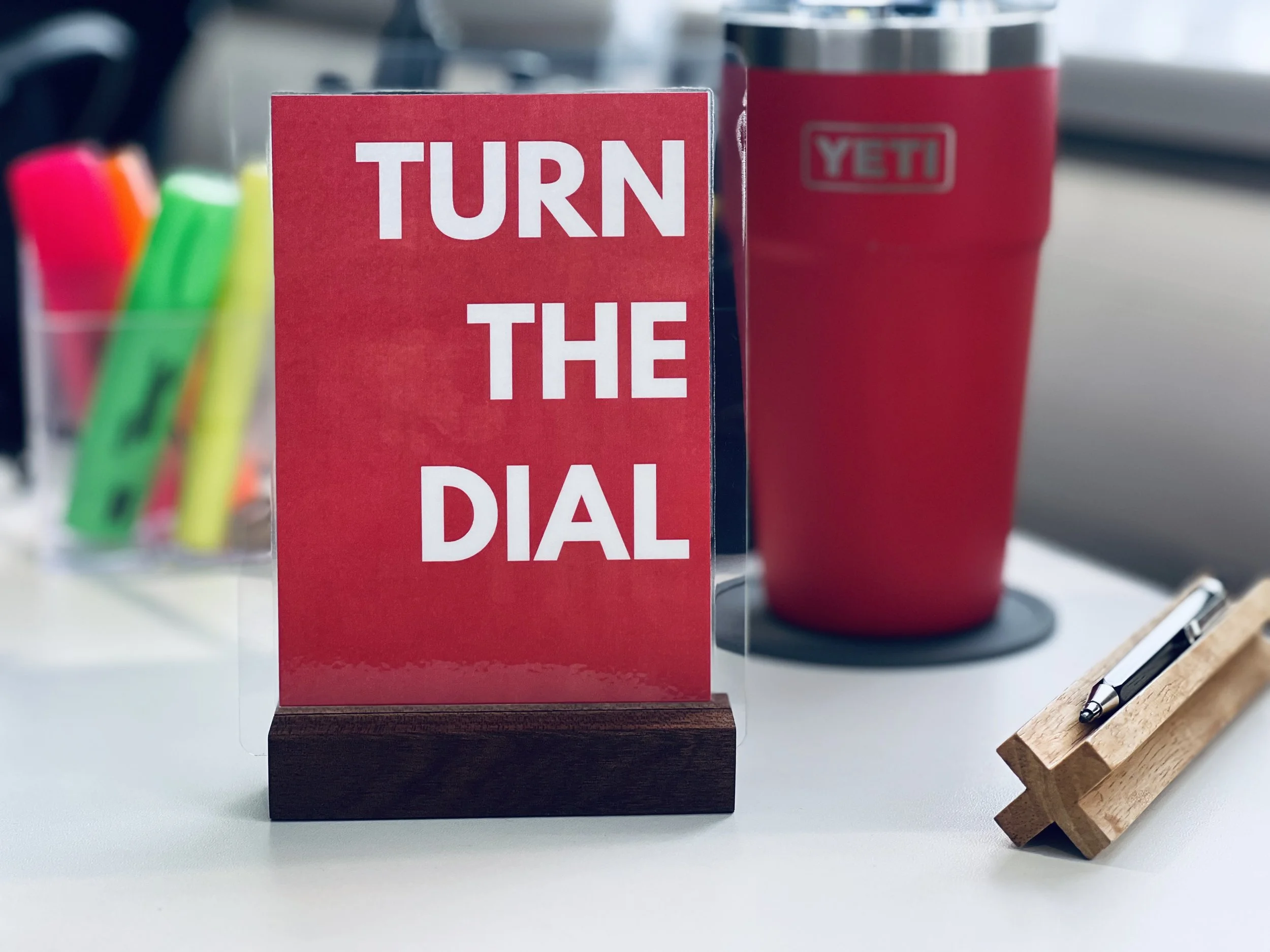
Turn The Dial
In a recent conversation, someone shared this line: “turn frustration into fascination.” Here’s the impact this simple phrase can make.
Any frustrations this week?
In a recent conversation, someone shared this phrase: turn frustration into fascination.
Same problem. Different dial setting.
Frustration says: "Why is this happening to me?” (Feels heavy, more dead-endish)
Fascination asks: "What is this here to teach me?" (Feels lighter, more curious)
So — any frustrations this week?
Things not going to plan, as hoped or expected?
What might it look like to turn the dial on just one, from frustration to fascination?
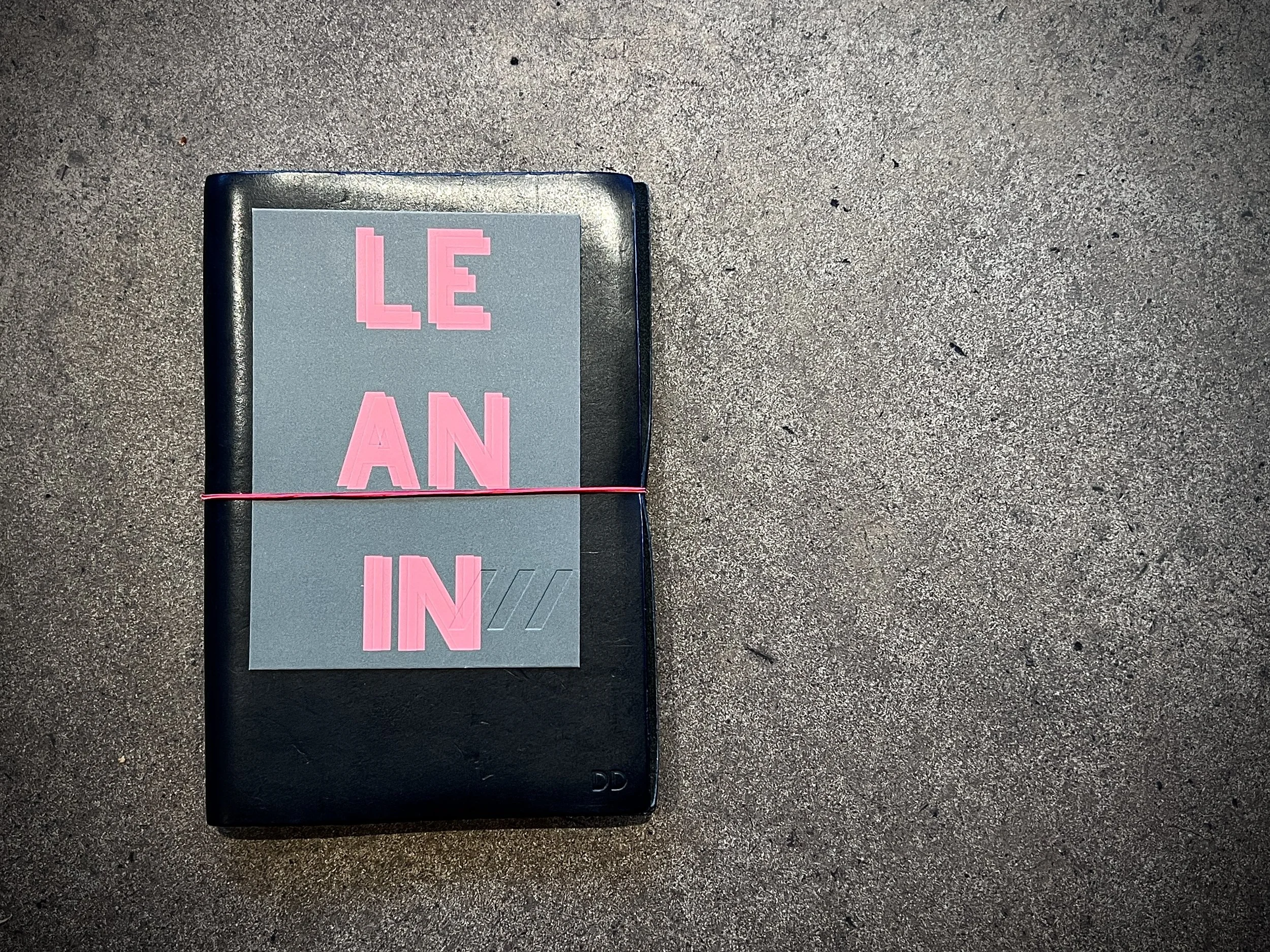
Leaning In
Lean in when it’s uncomfortable. When you don’t have all the answers. When the path isn’t clear.
The challenges don’t stop. So stop waiting for them to. (He says to himself!)
Lean in.
Lean in when it’s uncomfortable. When you don’t have all the answers. When the path isn’t clear.
That’s where the growth is. That’s where (continuous) improvement actually happens.
Not around the hard stuff — through it.
What are you leaning into today?

Back Yourself
The hardest conversation isn’t always with someone else — sometimes it’s the one inside your own head.
The hardest conversation isn’t always with someone else — sometimes it’s the one inside your own head.
This print is a reminder.
You already have more than you think.
Backing yourself isn't about arrogance — it’s about trusting yourself enough to take the next step. (And the next, and the …)
Hope this is helpful if you’re seeing this.
Is there someone in your world who might need to hear this right now? Share it with them.
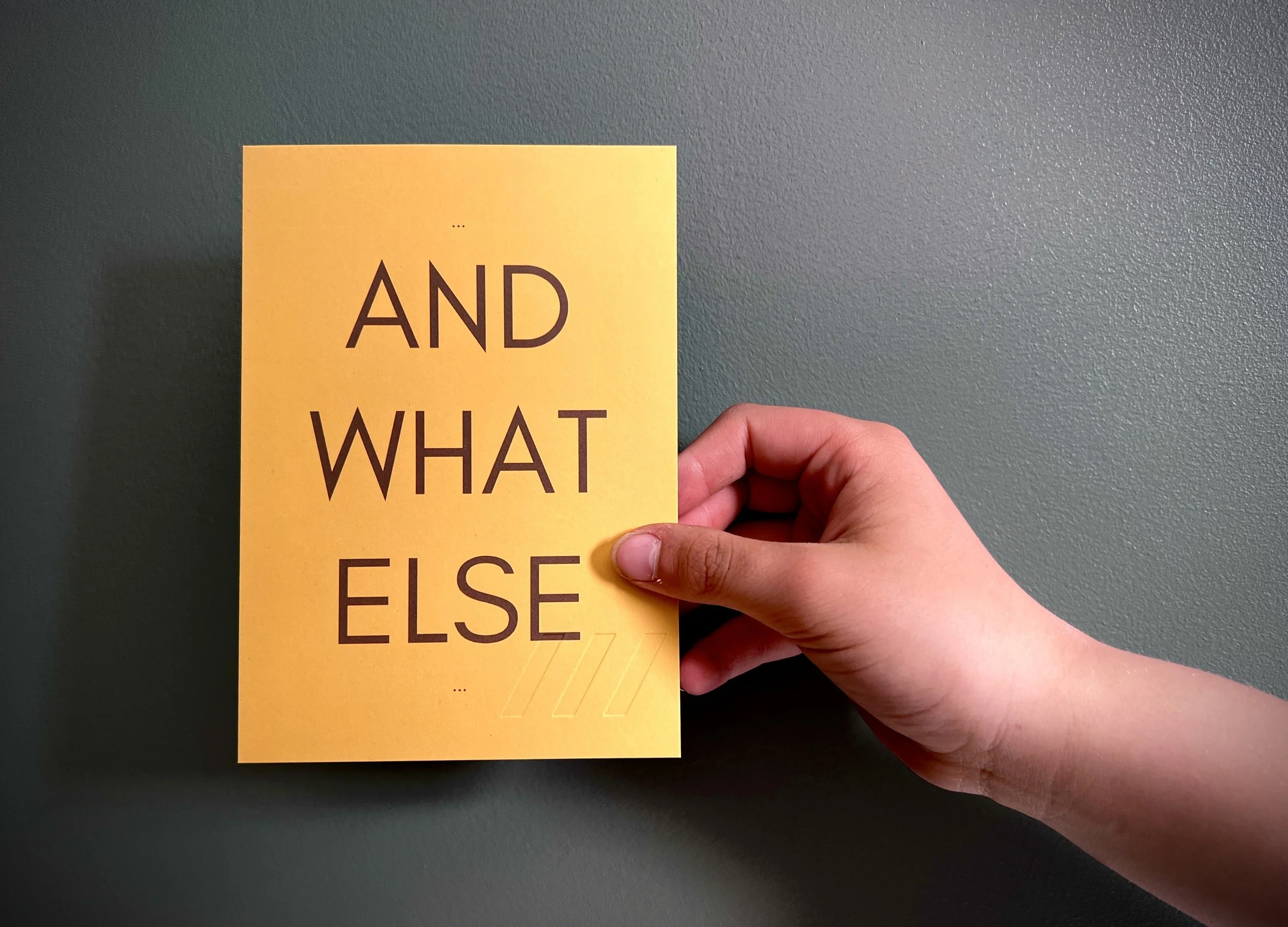
And What Else
This print is the question that is changing how I want to listen — to others and to myself.
The best conversations don’t stop at the first answer.
This print is the question that is changing how I want to listen — to others and to myself.
“I’m fine” is rarely the whole story, and this question gently opens the door to what’s really there. It takes patience, curiosity, and a willingness to stay present, but it’s an invitation worth offering.
Who in your life might need someone to sit with them a little longer this week and ask — and what else might you stay open to hearing?
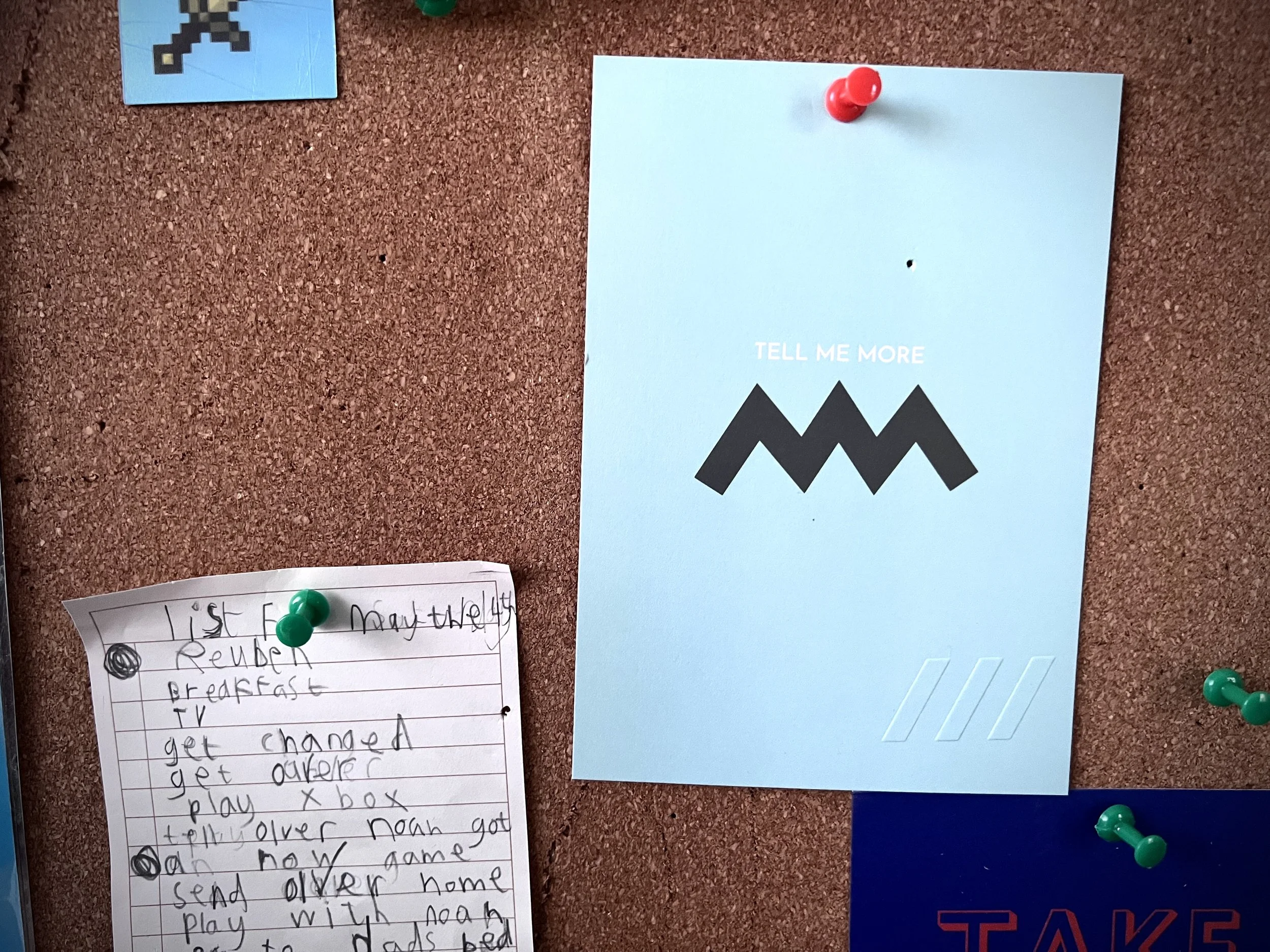
Tell Me More
Three simple words that signal you’re genuinely interested, that you’re not in a hurry, that you truly care.
This print says everything I want to say: an invitation to deeper, better conversations.
Three simple words that signal you’re genuinely interested, that you’re not in a hurry, that you truly care.
Tell Me More.
I’m reminding myself to ask it more often and to really mean it when I do.
Think of someone in your life who could use the gift of being truly heard today — these three words may help.
Less Struggle, More Light
The world is (most days, it seems) already complex enough.
We need clarity. Focus. A little more ease.
The world is (most days, it seems) already complex enough.
We need clarity. Focus. A little more ease.
The leaders I most respect aren’t the ones with the most answers. They’re the ones who make things simpler — for their teams, their clients, themselves.
Less noise. Less struggle. More light.
What’s one thing you could simplify this week — for yourself or someone around you?
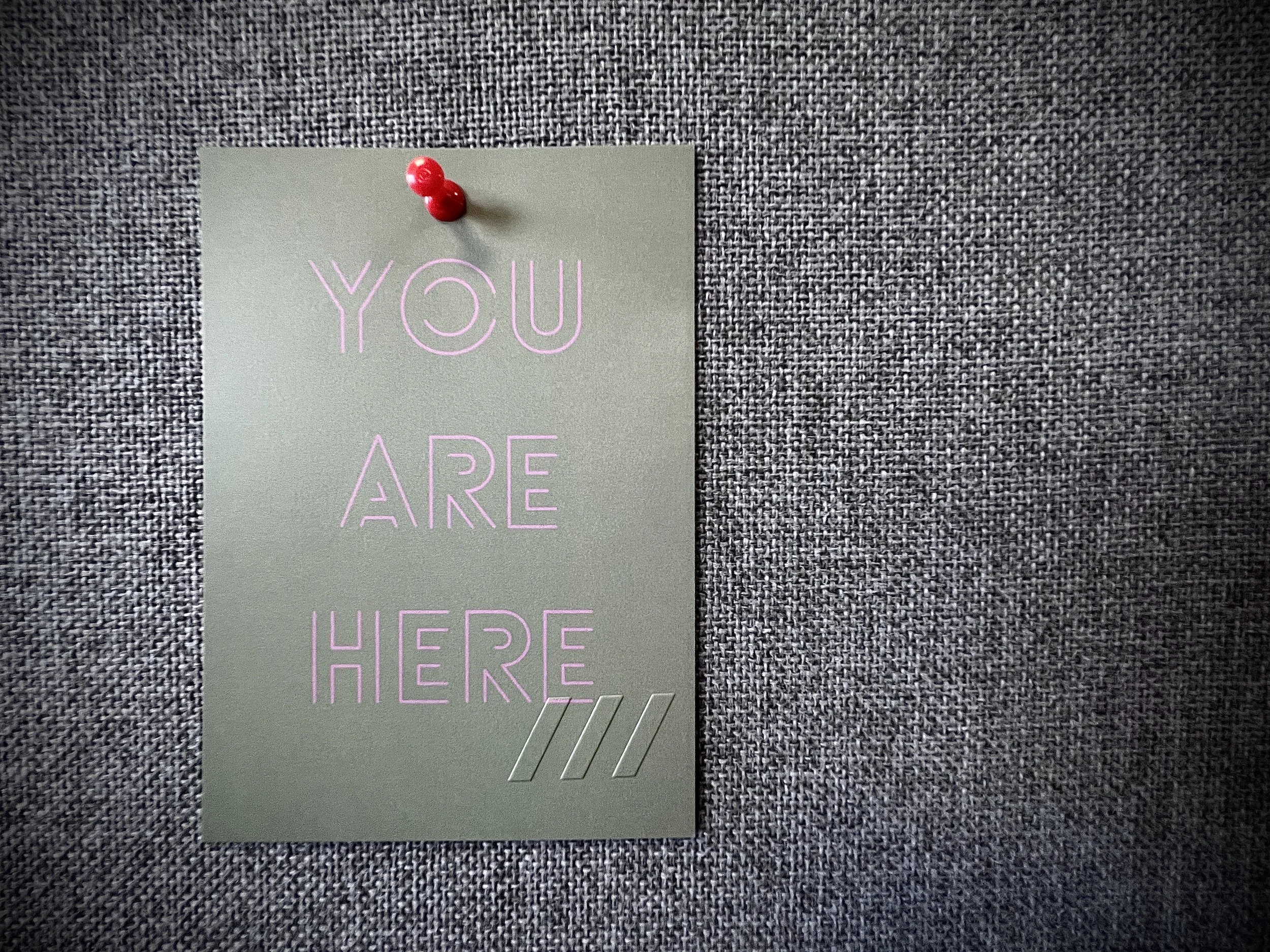
You Are Here
The best leadership advice I ever received?
Name Reality. (Two words. They stuck.)
The best leadership advice I ever received?
Name Reality. (Two words. They stuck.)
A leader I worked with in Canada said this and it has stayed with me. Because it’s true.
You need to put a pin 📍 in your map (...personal, team, business).
📍 You Are Here.
Then you can make grounded decisions about options and ways forward.
The hard part, yes, is reality isn’t always what we want it to be. The temptation can be to soften it, spin it….or skip past it entirely.
I do think, however, that a person who can look clearly at what is — not what was planned, not what’s hoped for— that’s leadership people trust when it matters most.
So, a question for reflect on: What’s one area in your work or team right now where you might be avoiding naming the reality?
Put in the pin 📍
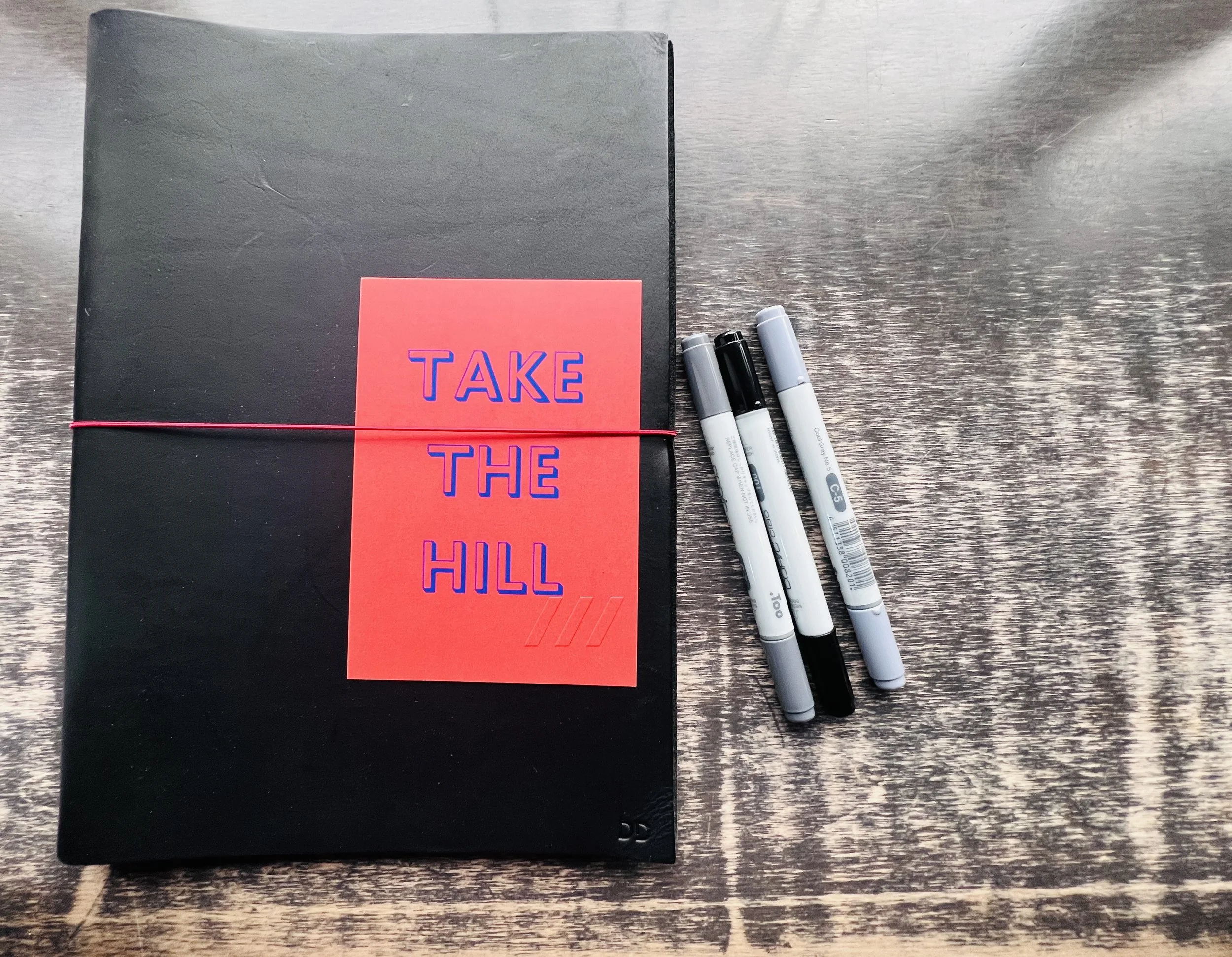
Take the Hill
“You take the hill. Don’t let the hill take you.”
Someone I admire said that to me once. They were talking about running. The hills were literal.
“You take the hill. Don’t let the hill take you.”
Someone I admire said that to me once. They were talking about running. The hills were literal.
I haven’t stopped thinking about it since.
Because some days — some weeks — some entire seasons of life — feel like you’re staring up at something steep.
Here are 4 questions worth 5 minutes of your time today:
▸ Does today feel like a hill?
▸ Are you going to take it?
▸ How can you chunk it into one step at a time?
▸ What resources do you need for the climb?
Design Thinking + Lean
I’ve been curious about the relationship between Design Thinking and Lean practices.
I do like a good “both / and” - here’s what I mean…
In the OpEx space, I’ve been curious about the relationship between Design Thinking and Lean practices. Resisting the “either / or”, I do think there is space to sequence both. Both methodologies promise transformation — but take different routes / address different stages of the opex path.
Design Thinking starts with empathy. It asks: What do people actually need? It embraces ambiguity, encourages rapid prototyping. DT is comfortable with “we don’t know yet.” It’s powerful when the problem itself isn’t fully defined. DT has been helpful in exploring how we might better understand internal/external stakeholder needs/pain points.
Lean asks: What’s slowing us down? It maps existing processes, eliminates friction and drives efficiency through continuous improvement. They’re complementary, not competing. Both / And. We can use Design Thinking to discover the right problem and Lean to optimise the solution.
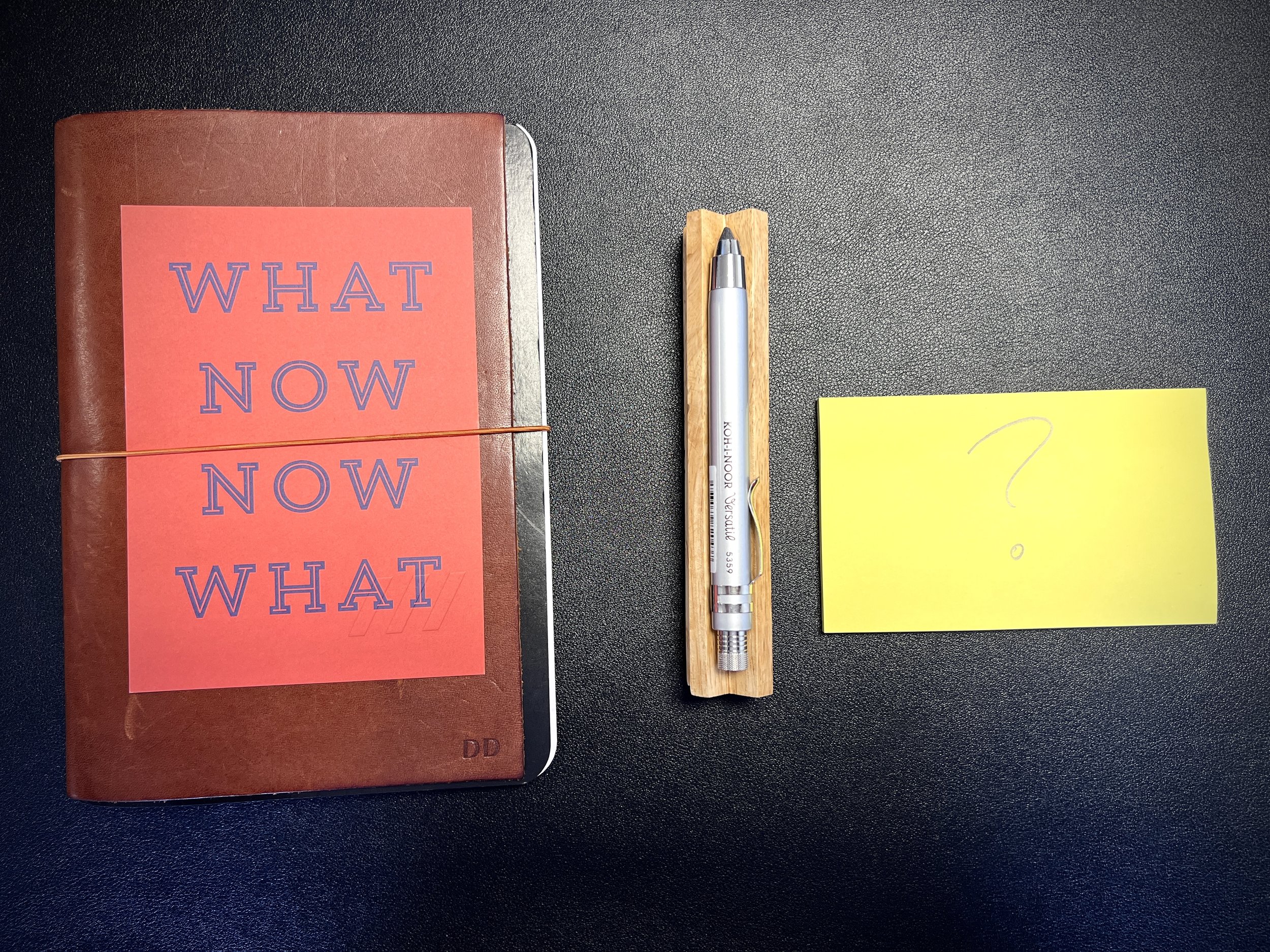
A phrase that, for me, captures these thoughts is What Now, Now What. In the coaching space, the GROW model looks at Goal, Reality, Options, Way Forward. This is the context/framework where this phrase likely emerged for me.
What Now?
What is my current reality, my resources, my possibilities? What’s actually on the table—whether I like the options or not.
Now What?
What will I choose? What will I commit to? What’s the next step I can take today, not someday.
What Now, Now What also captures the two mindsets we need for modern problem‑solving. Where complexity requires space for solutions to emerge over time.
Design Thinking helps us pause and ask “What now?” What’s really happening? What do people need? What assumptions should we challenge?
Lean helps us take the next step — “Now what?” How do we test, improve, simplify and deliver value with less waste?
When you combine the two—both / and—you get solutions that are both human‑centred and practically executable.
What Now? (Understanding)
Now What? (Action)
A couple questions to sit with.
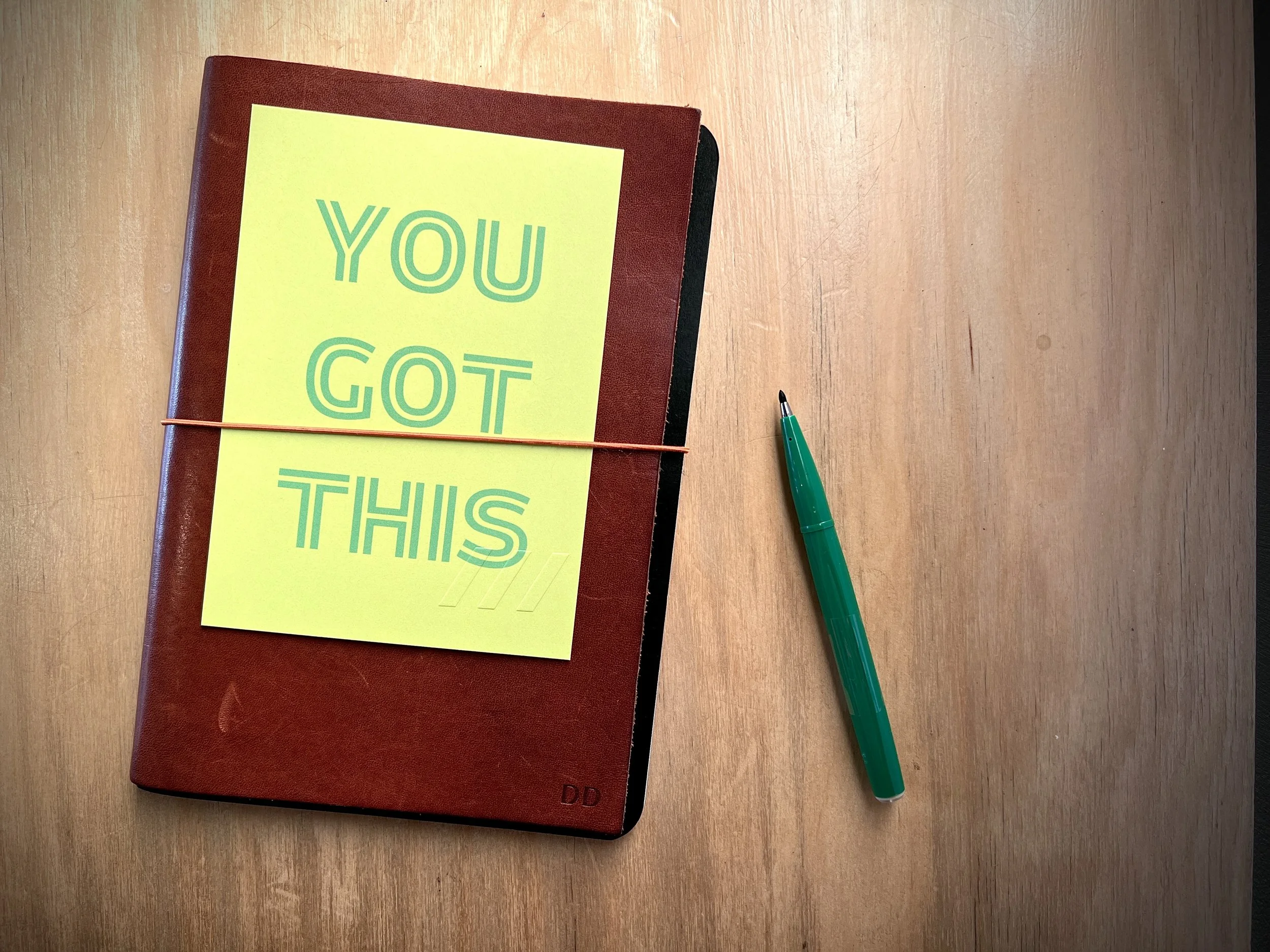
You Got This
Momentum doesn’t come from big leaps — it comes from small, steady steps.
Some days you just need a reminder that you’re more capable than you think.
Momentum doesn’t come from big leaps — it comes from small, steady steps.
Progress hides in the quiet moments where you choose to keep going.
“You got this” isn’t just a slogan… it’s a mindset worth practising.
What’s one thing you can move forward today, even just a little?

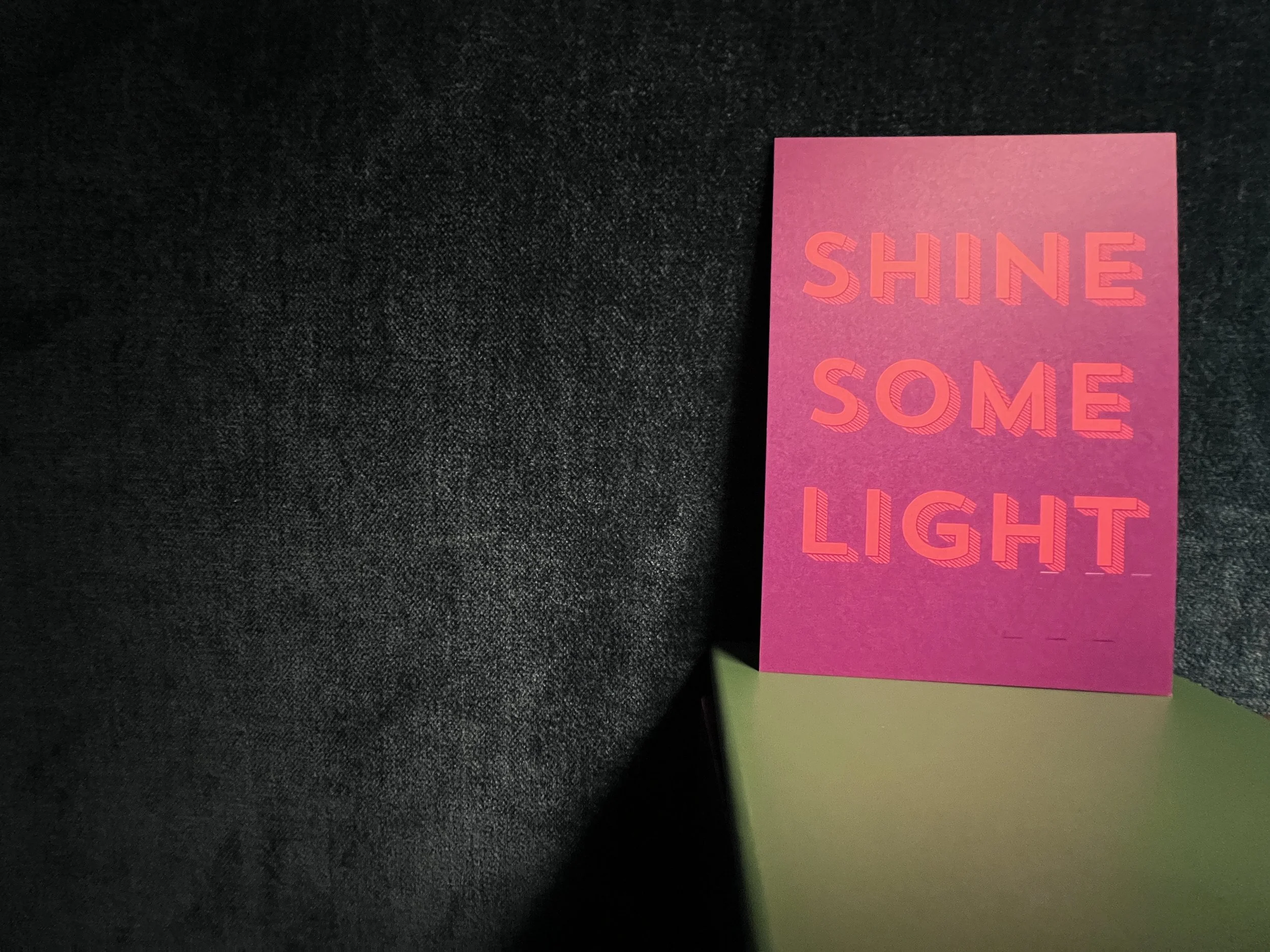
Shine Some Light
Shining some light is leadership - making the way forward a bit clearer and reducing the struggle.
Throwing shade is easy.
Shining some light is leadership - making the way forward a bit clearer and reducing the struggle.
Where might you shine some light today?
A question worth sitting with.

Clarity + Purpose
Right here, right now.
Leadership happens in the present moment — in the choices you make, the tone you set. It is in the intention you bring to every interaction.
Right here, right now.
Leadership happens in the present moment — in the choices you make, the tone you set. It is in the intention you bring to every interaction.
Leading with intention means pausing long enough to notice what’s driving you. Are you reacting out of habit, pressure, or old patterns & scripts? How might you respond with clarity and purpose?
The most powerful leaders aren’t the busiest or the loudest. They’re the ones who stay grounded in the moment, aware of what matters and deliberate about how they show up.
Right here, right now. What are your options, how will you respond?
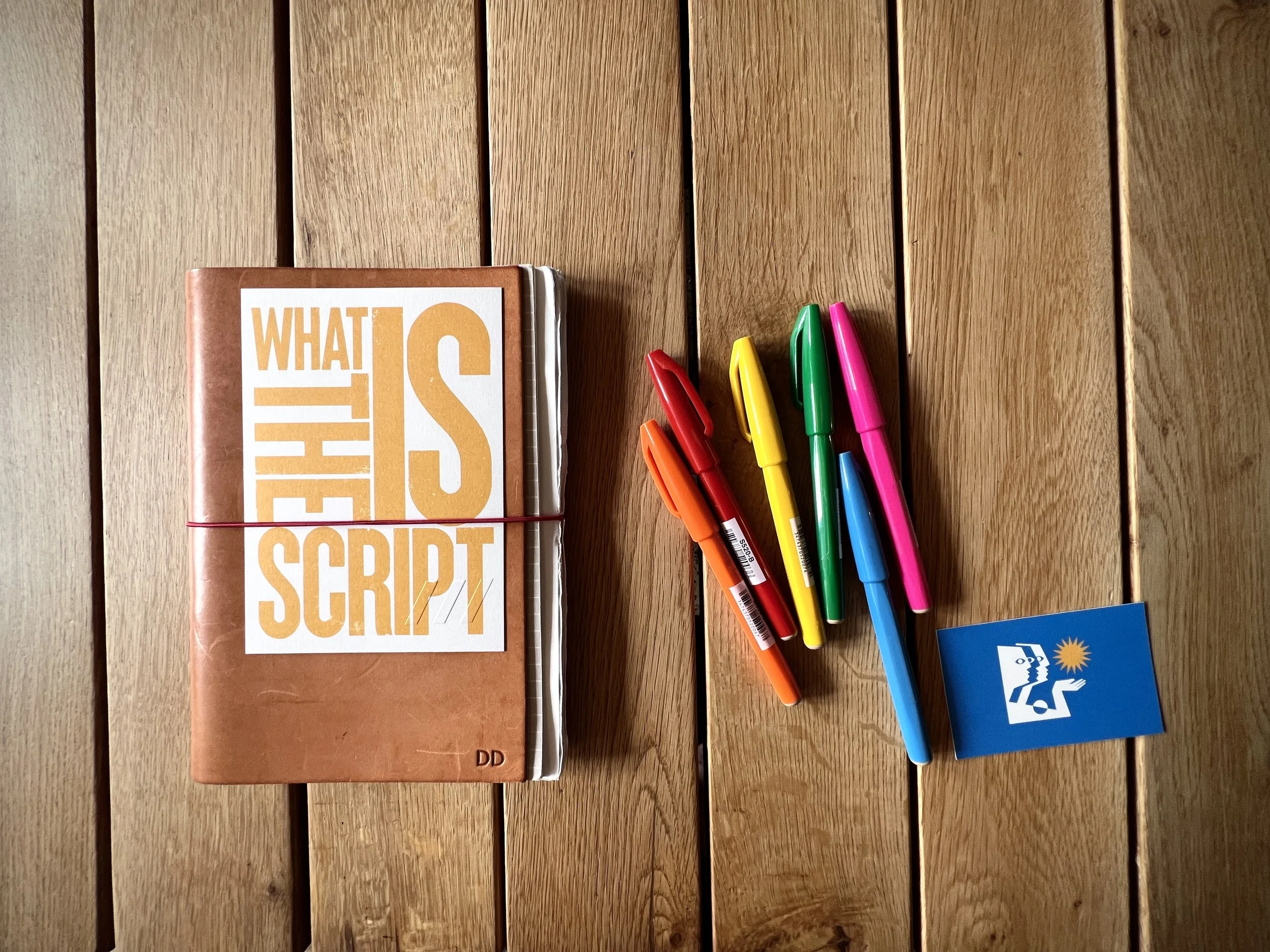
What is the script?
What script are you running — and is it serving you well as you lead?
A question worth sitting with.
What script are you running — and is it serving you well as you lead?
A question worth sitting with.
Because whether we realise it or not, every leader operates from an internal script. It’s the story we tell ourselves about who we are, how we should show up, what we must protect, and what we believe is possible. Some scripts empower us to lead with clarity and confidence. Others quietly limit our impact, keeping us stuck in patterns that no longer fit the leader we’re becoming.
Pausing to examine that script isn’t a luxury — it’s a discipline. It’s the moment we step out of autopilot and ask: Is this narrative helping me grow, or is it holding me back?
And if it’s the latter, what might a rewritten script make possible?
Leadership evolves. Our inner story should too.
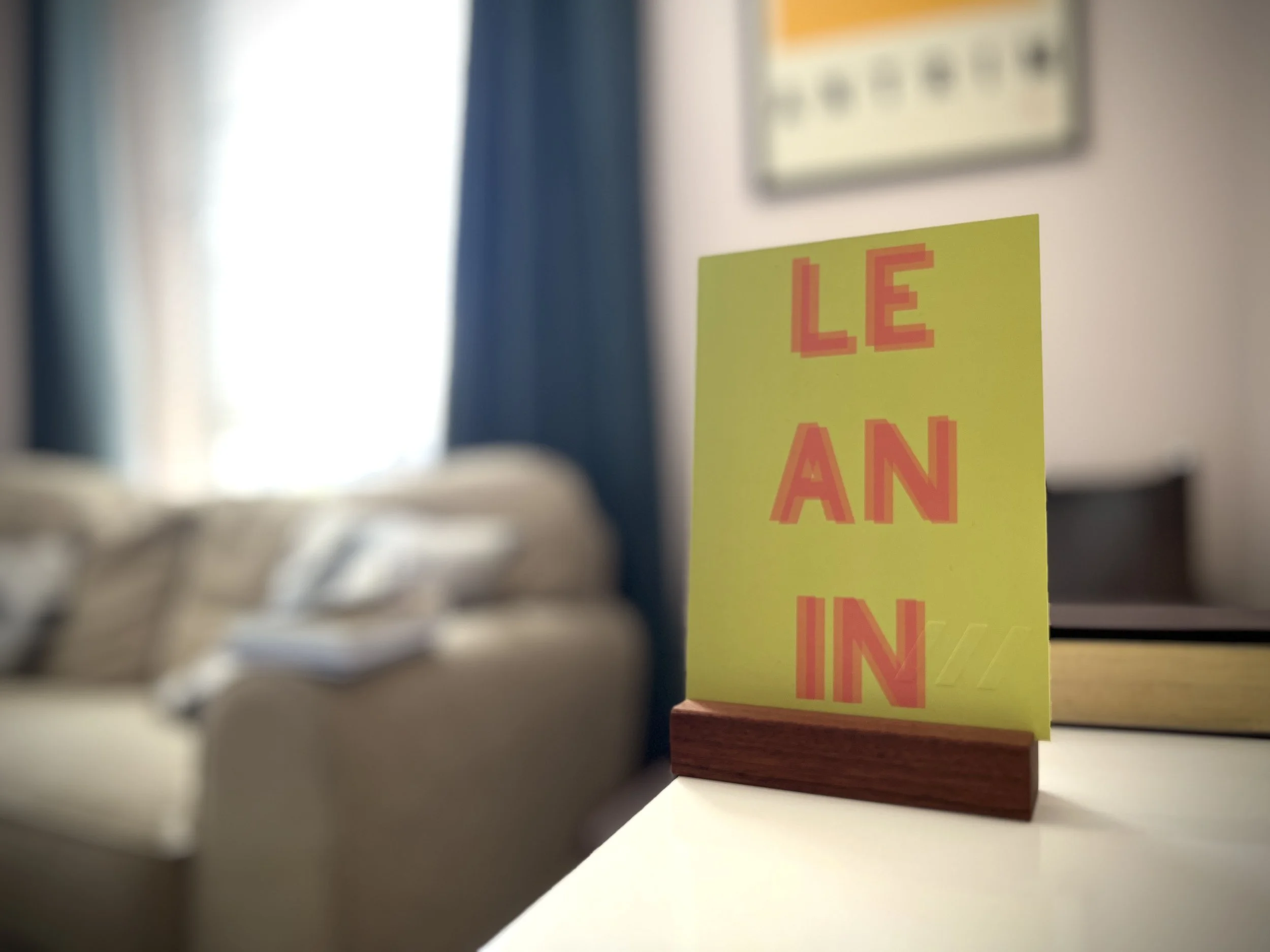
Lean In, Not Away
Leaning in is more than a metaphor in Lean leadership — it’s a posture of presence. Lean leadership starts with a simple choice — to lean in, not away.
Leaning in is more than a metaphor in Lean leadership — it’s a posture of presence.
Leaders who lean in choose to be close to the work, close to the people and close to the truth of what’s actually happening on the ground. It’s an intentional shift from directing at a distance to engaging with curiosity, humility and respect.
When leaders lean in, they signal that problems aren’t threats but opportunities to learn, improve and grow capability across the team.
This posture also creates momentum.
Leaning in means stepping toward challenges instead of waiting for perfect conditions or complete information. It means listening deeply, asking better questions and removing barriers so teams can succeed.
When leaders model this behaviour, they build trust, accelerate problem‑solving and strengthen a culture where continuous improvement becomes the natural way of working.
Lean leadership starts with a simple choice — to lean in, not away.
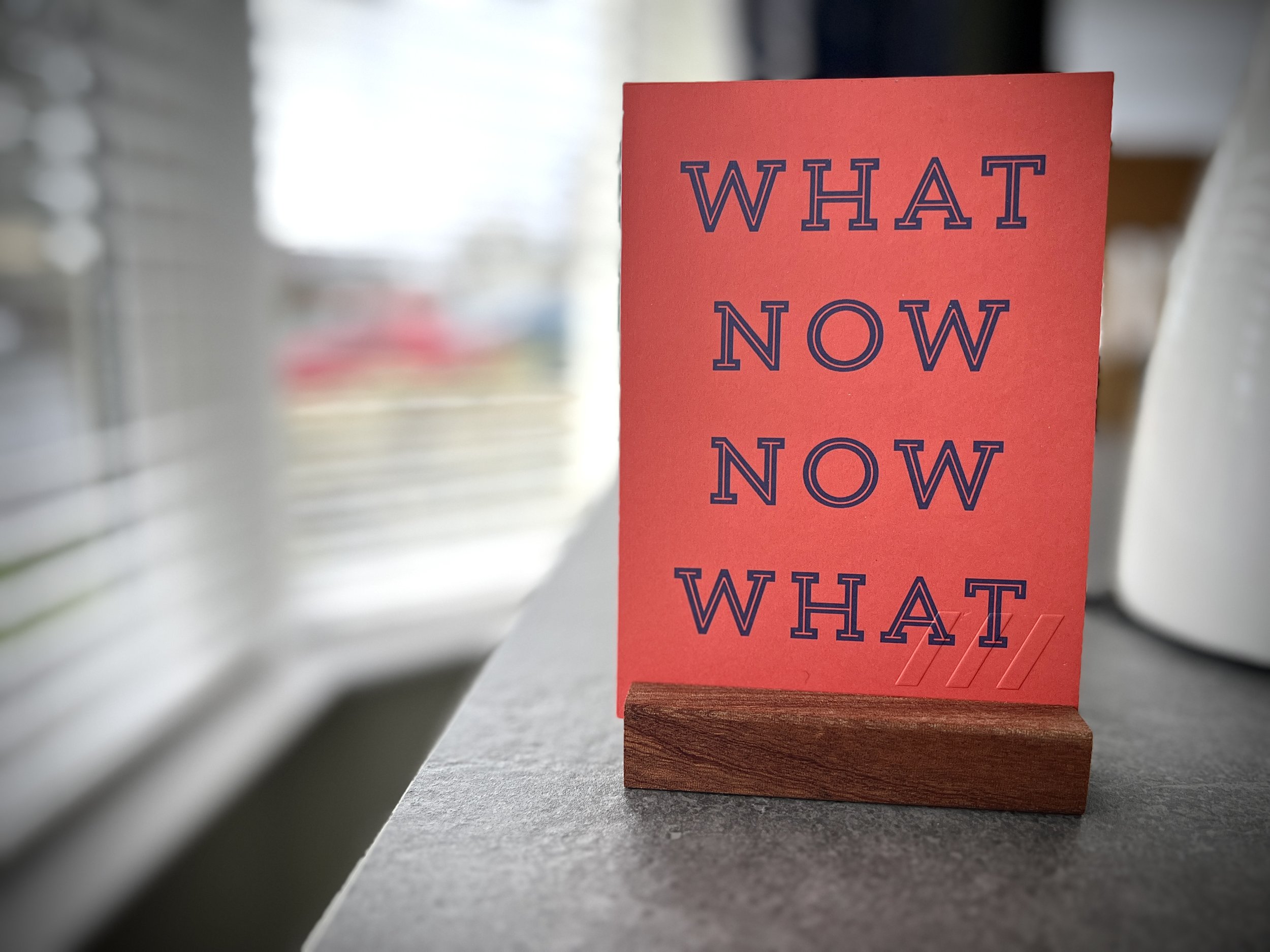
What Now, Now What
Ever asked (wrestled with) these questions?
Ever asked (wrestled with) these questions?
What Now?
Now What?
Two questions that often present themselves.
The first, “What now?”, is about recognising the moment you’re in. Naming the choices in front of you. Seeing the options clearly instead of reacting on autopilot.
The second, “Now what?”, is about movement. Choosing the next right step with intention, not urgency.
It’s not about having the perfect answer. It’s about creating space. Space to understand your options, try to turn down the noise and take a step that actually aligns with where you want to go.
What Now? Now What?
One question to ground you.
One question to move you forward.
Pause + Reflect.

Right Here, Right Now
How might you lead—right here, right now—with greater intention?
We spend so much time planning the future…
…but the future is shaped by what we do today.
So here’s a simple question:
What is one thing—Right Here, Right Now—you could do that your future self would thank you for?
It doesn’t have to be big.
• Send the message
• Start the idea
• Take the walk
• Have the conversation
Small intentional actions compound.
What’s yours? Right Here, Right Now.